I live in Cabarete and spend a lot of my working week filming it: surf schools, dance nights, properties, festivals. When friends visit, they always ask for the same thing, a list of what's actually worth doing. This is that list, with what I'd tell them about each place.
Cabarete is a small town, one main road along a bay, about 19 km from Puerto Plata's international airport (POP). Most of what's below is within 30 minutes of the center.
In the water
Kitesurfing at Kite Beach. The west end of the bay is where Cabarete got its reputation. The trade winds blow most of the year, the schools are lined up on the sand, and on a good afternoon you'll see dozens of kites in the air. If you've never tried, this is one of the best places in the Caribbean to learn. Book a certified school; the water gets busy.
Windsurfing and wing foiling in the bay. Cabarete was a windsurfing town before kites arrived, and the bay in front of the main strip is still where boards and wings go out.
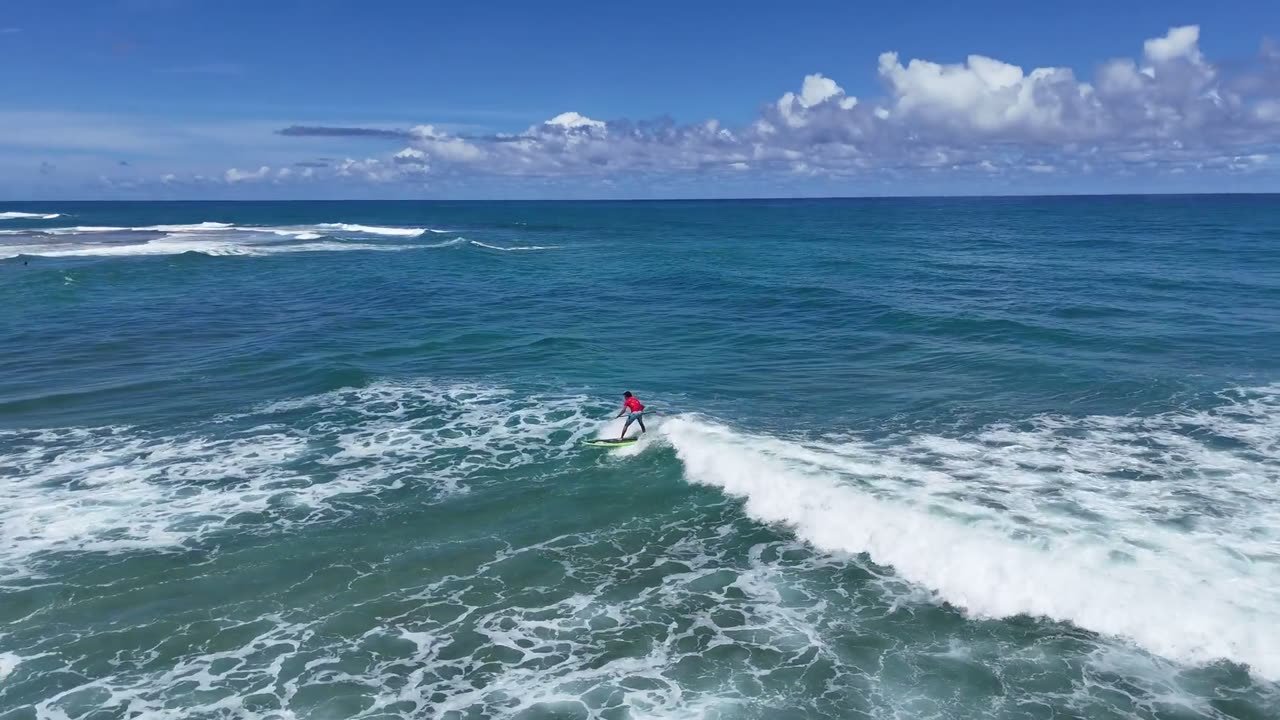
Surfing at Playa Encuentro. Five minutes west of town, Encuentro has several breaks over reef, from friendly waves for lessons to fast ones for experienced surfers. It hosted the surf events of the 2026 Central American and Caribbean Games from July 25 to 29, 2026. I wrote a full local's guide to Playa Encuentro, filmed by drone.
Stand-up paddle and swimming. On calm mornings, before the wind picks up, the bay is flat enough for paddleboarding. For swimming, ask locally about currents; some beaches on this coast have strong ones.
On land
The Cabarete lagoons and caves. Behind the town is the Monumento Natural Laguna Cabarete y Goleta, about 77.5 km² of lagoons, forest and hills protected by the Ministry of Environment for its water resources and bird life (El Día). Many people know the area as El Choco. Guided visits go to the caves, some with freshwater pools you can swim in. Go with a guide.
The 27 waterfalls of Damajagua. About an hour away, in Imbert, the Damajagua river runs through a chain of pools and natural slides. Tours start at the visitor center, and you climb with a guide and helmet before jumping and sliding back down. Bring water shoes and go early.
Sosúa and Puerto Plata. Sosúa's bay is 15 minutes away and good for snorkeling. Puerto Plata has the Victorian center, the colonial fort and the Malecón (its cable car is closed for reconstruction until 2028); I cover it in things to do in Puerto Plata.
At night
Cabarete's nightlife is on the beach. The dance scene is the best-kept secret in town: salsa and bachata several nights a week, free, with locals and visitors on the same floor. I keep an updated guide to where to dance in Cabarete, night by night.
Events worth planning around
- Master of the Ocean: a multi-discipline water sports competition (surf, SUP, windsurf, kitesurf and wing foil). The 21st edition ran September 16–20, 2026, with free entry for spectators (Diario Libre).
- Dominican Surf Festival: surf, bachata, aerial arts in the trees and local vendors in one weekend at Encuentro. I filmed it: see the story here.
- Whale season: humpback whales are in Dominican waters roughly January to March. Samaná Bay is the main place to see them; here a sighting is luck, but it happens.
When to come
The North Coast's weather is different from Punta Cana's: the rainiest months here are November to January, and June to August are the driest. Full numbers in my Dominican Republic climate guide. In short:
- Kiting: summer and the December–March period are usually the windiest.
- Surfing: winter, when the North Atlantic swells arrive.
- Mild weather: February to April.
Thinking of staying longer?
A lot of people come to Cabarete for a week and start looking at condos by day five. If that's you, read what living in the Dominican Republic is really like before you sign anything.
Have a Business in Cabarete?
I make videos, drone footage, websites and ads for surf schools, dance studios, rentals and real estate agencies on the North Coast. If you want visitors to find you before they land, let's talk.