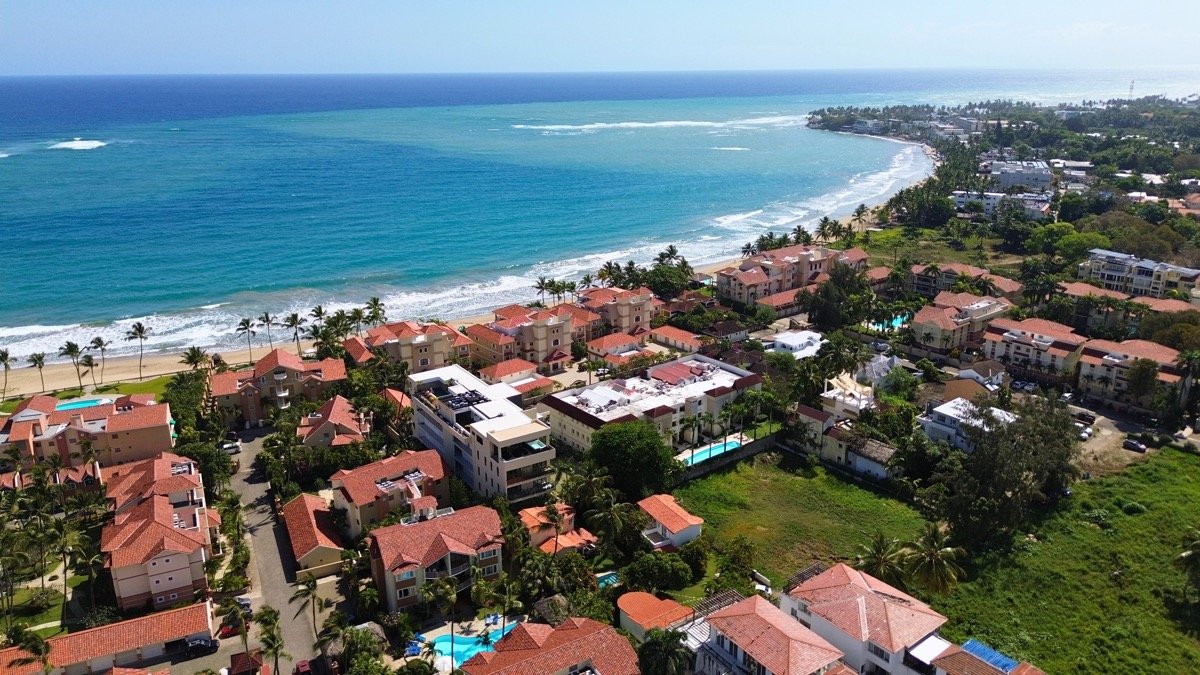
Puerto Plata is the capital of my province, half an hour from my home in Cabarete. It's one of the most searched places in the Dominican Republic, and most of the guides ranking for it were written years ago. Some of them still send you to an attraction that has been closed since 2024.
So this is the up-to-date version: what's worth your time in Puerto Plata in 2026, what's closed, and how it fits with the rest of the North Coast.
First, the cable car: closed until 2028
The teleférico up Mount Isabel de Torres was the city's most famous attraction. It stopped in June 2024, after a pulley failure left passengers stranded and the technical advisers said they could not certify the system's safety. On October 3, 2026, the government started building a new one: a bicable system with two panoramic cabins for 55 passengers each, a 5 to 6 minute ride, and a reopening target in the first quarter of 2028 (El Inmobiliario, Telemicro).
If a tour still sells the cable car, ask exactly what's included.
The historic center
Parque Independencia. The central park is surrounded by royal palms, pastel Victorian houses and the cathedral. It's the best place to start a walk, and the center is compact enough to do on foot in a morning.
Fortaleza San Felipe. Completed in 1577, it's the oldest colonial monument preserved in Puerto Plata and works as a museum run by the Ministry of Culture (El Día). It sits at the end of the Malecón, with views of the bay and the mountain.
The Dominican Amber Museum. In an old Victorian house on Calle Duarte, turned into a museum in 1982 (El Caribe). The Cordillera Septentrional behind the city is one of the world's known sources of amber, and the collection shows pieces with insects and plants trapped inside.
Calle de las Sombrillas. A street in the center covered by a canopy of hanging umbrellas. It's on every Instagram feed from Puerto Plata for a reason.
The Malecón. The seafront promenade is where the city goes at sunset: food stands, families, and the breeze off the Atlantic.
Beaches and nature nearby
- Playa Dorada and Cofresí: the resort areas just outside the city.
- Sosúa: a bay with clear water, good for snorkeling, east of the airport.
- Cabarete and Playa Encuentro: kitesurfing, surfing and dancing. See things to do in Cabarete.
- The 27 waterfalls of Damajagua: in Imbert, inland from Puerto Plata. You climb the river with a guide and helmet, then jump and slide back through natural pools. Tours start at the river's visitor center.
If you arrive by cruise ship
Puerto Plata has two cruise terminals: Taíno Bay, next to the city center, and Amber Cove, in Maimón to the west. Big days are very big. On one day in September 2026, four ships arrived at the same time with 16,714 passengers and 5,806 crew, according to the Dominican Port Authority (Apordom, via News in America). On those days the center and the popular tours fill up; the beaches east of the city, toward Sosúa and Cabarete, stay calmer.
When to visit
On the North Coast, the rainiest months are November to January and the driest are June to August, the opposite of what most Dominican Republic guides say. February to April is the most comfortable. The month-by-month numbers are in my climate guide.
Getting here
Gregorio Luperón International Airport (POP) is east of the city, between Puerto Plata and Sosúa. If you're also visiting Cabarete, it's often easier to stay there or in Sosúa and come into Puerto Plata for a day.
Run a Tourism Business in Puerto Plata?
I make video, drone footage, websites and Google Ads for tours, rentals, restaurants and real estate on the North Coast. When visitors search for Puerto Plata, your business should be in the answer.
Cable car status as reported on October 3–5, 2026. Opening hours and prices of attractions change; check them locally before you go.