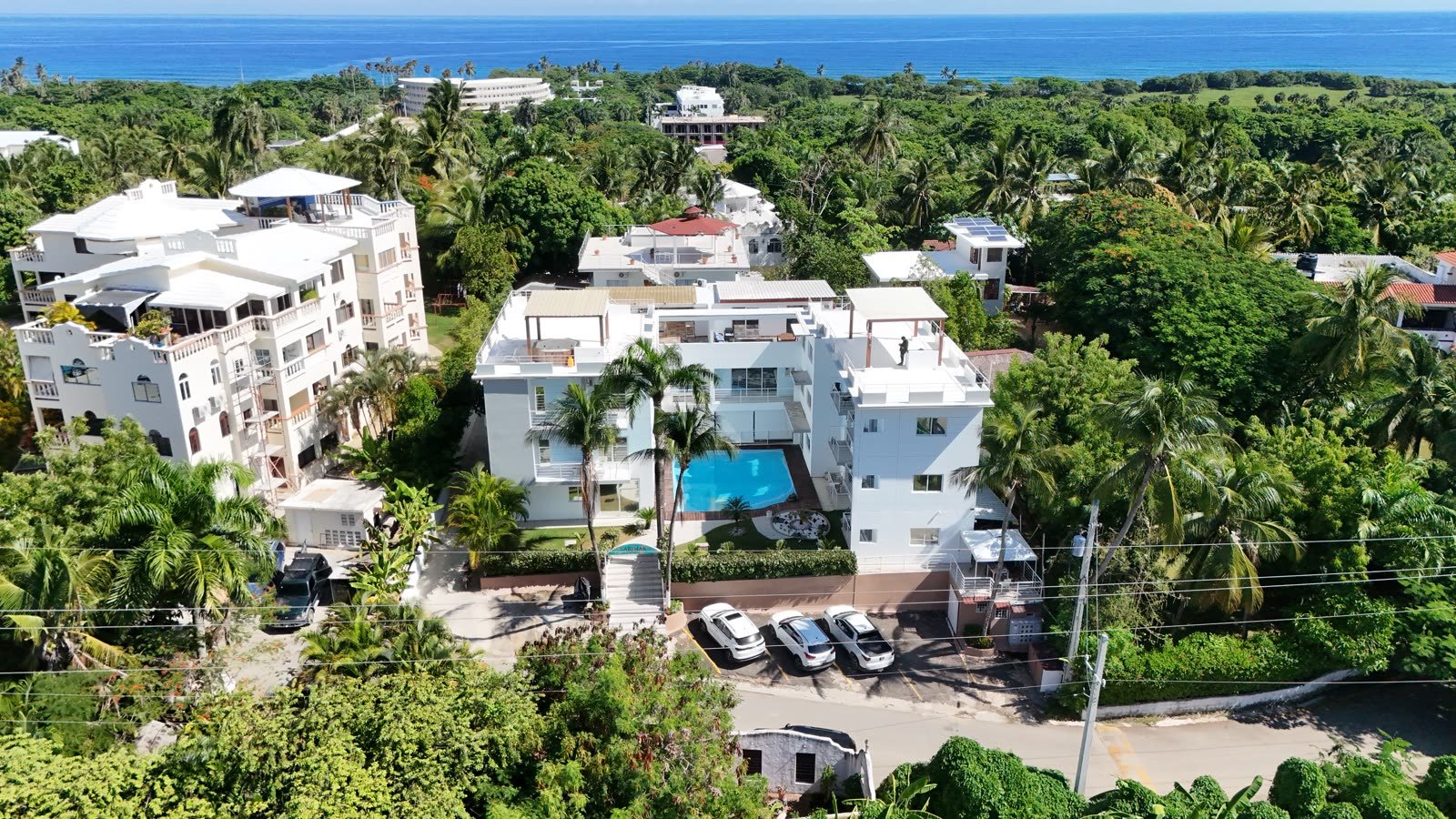
I'm Dominican and I live in Cabarete. A good part of my work is helping real estate agencies explain this coast to people who are thinking of moving here. The same questions come up every week: what does it cost, can I stay, is it safe, what's the catch.
This is my honest answer, with official numbers where they exist and my own experience where they don't. It's written for the North Coast (Puerto Plata, Sosúa, Cabarete and the area around them), not for Punta Cana or Santo Domingo, which are very different places to live.
The short version
| Topic | What to know | Source |
|---|---|---|
| Family basket (North region) | RD$47,852 a month, September 2026 | Banco Central, via Acento |
| Inflation | 5.12% year on year, September 2026 | Banco Central, via Acento |
| Exchange rate | About RD$60.9 per US dollar (sell), October 30, 2026 | Banco Central reference rate, via Revista Mercado |
| Tourist stay | Up to 30 days with the tourist card | DGII |
| Retiree residency | US$1,500/month pension minimum | MIREX |
| Rentista residency | US$2,000/month passive income minimum | MIREX |
| U.S. travel advisory | Level 2, exercise increased caution (crime) | U.S. State Department |
What it costs to live here
The most reliable public number is the Central Bank's canasta familiar, the monthly cost of a typical Dominican household's basket of goods and services. In September 2026 it averaged RD$49,966.37 nationally and RD$47,852.29 in the North (Cibao) region, which includes Puerto Plata. Santo Domingo's region was the most expensive at RD$57,383.82. Year-on-year inflation was 5.12% (Banco Central data, via Acento). At the end of October, the dollar was around RD$60.9, which puts the North basket at roughly US$785 a month.
Be careful with that figure. It describes how a Dominican family spends, not how most foreigners live. In my experience, the costs that change the picture for someone moving here are:
- Rent in the tourist areas. Cabarete, Sosúa and the gated communities around them price rentals for foreigners. Ask a local agent for current numbers on the exact area; prices vary a lot between a condo on the beach and a house ten minutes inland.
- Imported food. Local produce, rice, beans, chicken, fish and fruit are affordable. Imported cheese, wine and brand-name products cost more than in North America.
- Electricity. Air conditioning is the big variable on the power bill, and summer here is hot (more in my climate guide).
- Private health insurance. Most foreigners use private clinics and pay for international or local private insurance.
- A car or a motorbike. Public transport between towns exists (guaguas and motoconchos), but most residents end up buying a vehicle.
Staying legally: tourist card, extension, residency
As a tourist, the tourist card allows a stay of up to 30 days (DGII). The Dirección General de Migración offers an extension of stay, and time over the limit is charged when you leave the country. Fees and maximum lengths change, so check migracion.gob.do before you plan a long stay on a tourist card.
For residency, the most common routes for foreigners on this coast come from Law 171-07 on retirees and people with foreign income (full text, DGII):
- Pensionado (retiree): a pension of at least US$1,500 a month from a foreign government, agency or private employer.
- Rentista: at least US$2,000 a month in passive income from abroad (investments, property, not a salary).
- Dependents: US$250 a month extra for each one.
- Investor: residency based on an investment certified by ProDominicana; the requirements depend on the type of investment.
According to the Ministry of Foreign Affairs, you apply for a residence visa (RS) at a Dominican consulate. It's valid for 60 days and one entry, and once here you have 30 days to present yourself at Migración to complete the process. Typical documents include an apostilled birth certificate and criminal record, a medical certificate and, for rentistas and investors, three months of bank statements (MIREX).
Use an immigration attorney. The process is document-heavy and the details change.
Safety
The U.S. State Department rates the Dominican Republic Level 2, "Exercise increased caution", because of crime (travel.state.gov).
From living here: the problems foreigners on the North Coast run into most are phone snatching, theft from unlocked cars and break-ins at empty houses. That's why so many people choose gated communities or buildings with security, and why a property manager matters if the house will sit empty for months. Use common sense at night, especially on a motorbike, and don't leave valuables in sight.
Power, water and internet
Power cuts happen. Edenorte, the distributor for the north, announces scheduled maintenance cuts on its website, and unscheduled outages are more frequent in summer, when demand peaks. Most homes and condos here have an inverter with batteries, a generator, or both. When you're looking at a property, ask what backup it has and how many hours it covers.
Water comes through a cistern and a tank on most properties. Drinking water is bought in 5-gallon bottles. In a dry year like 2026, the size of the cistern matters.
Internet is good enough for remote work in the main towns, with fiber in many areas and satellite internet where fiber doesn't reach. Check the exact address, not the town: two streets apart can be a different story.
Where people settle on the North Coast
- Cabarete: wind and surf town, the most international feel, lots of remote workers and an active social life. Dancing several nights a week, beach restaurants, and Playa Encuentro five minutes away.
- Sosúa: bigger, with more services, supermarkets and a long-established foreign community. Busier and more mixed.
- Puerto Plata city and Playa Dorada: the provincial capital, with hospitals, government offices and the international airport (POP) close by.
- The hills and gated communities between them: more space and views, but you'll drive for everything.
The honest advice I give everyone: rent first, for at least a few months, and include one of the rainy months (November to January). The North Coast you see on a sunny week in March is real, but so is the one in a wet November.
Before you buy
If you're moving with the idea of buying, read my guides on how long a property title takes and the real return on a property here, including the taxes you'll pay as an owner.
Moving to the North Coast?
I'm not an immigration lawyer or a relocation agent. I'm a local who works every day with real estate agencies, developers and attorneys in Cabarete and the surrounding area. If you want a referral to someone I trust, I'll connect you at no cost.
Figures from the Banco Central, DGII, MIREX and the U.S. State Department as published by November 2, 2026. Immigration rules and fees change; confirm them with the Dirección General de Migración or a licensed attorney before you apply. This article is not legal advice.