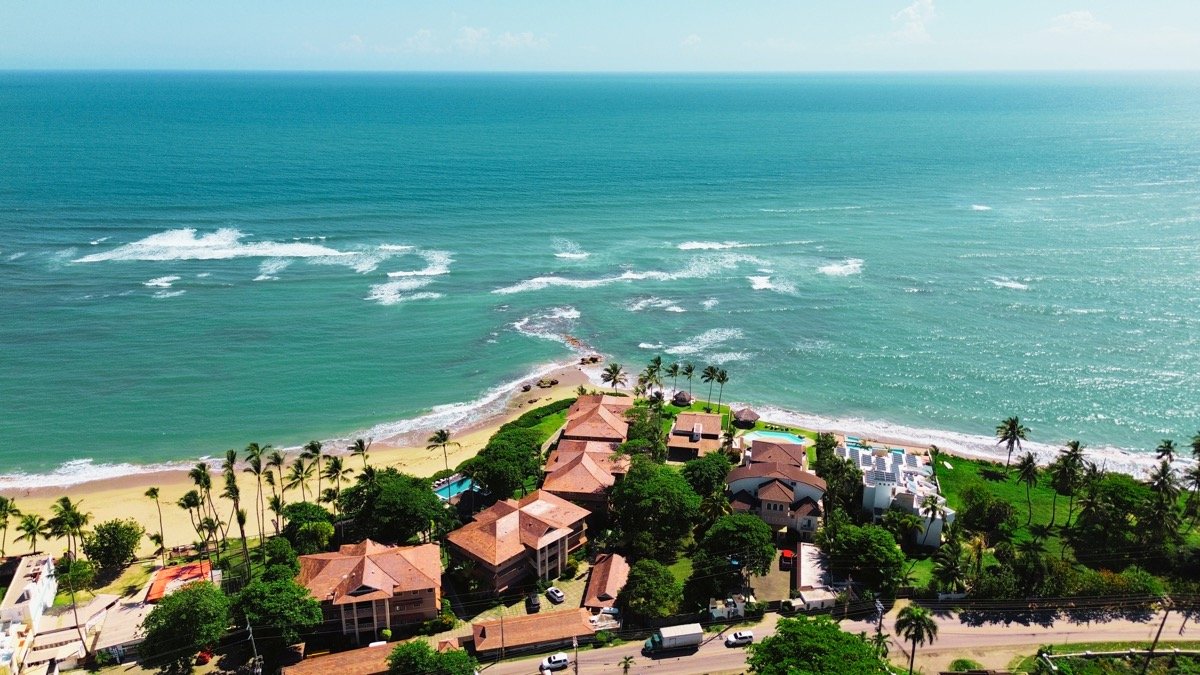
Every week someone asks me some version of the same question: "If I buy a condo in Cabarete, what do I pay in taxes?" The answer changed in 2026. Law 30-26, signed on June 18, 2026, changed how capital gains, income and some transaction taxes work, and most of the guides online haven't caught up.
This is the list I'd want if I were buying: what you pay when you buy, every year while you own, if you rent the property out, and when you sell. Each figure links to the official source. It is not tax advice; a Dominican accountant should look at your specific case.
The short version
| When | Tax | 2026 rule |
|---|---|---|
| Buying | Transfer tax | 3% of the value, paid at the DGII before the title transfer |
| Buying with a mortgage | Mortgage registration tax | 2% today; 1% from fiscal year 2027; eliminated from 2028 |
| Every year | IPI (property tax) | 1% on the total value of your properties above RD$10,695,494 |
| Renting out | Income tax | Rental income is taxable in the Dominican Republic |
| Selling | Capital gains | Single 10% rate for individuals; over-65s selling their main home are exempt |
| Leaving the country | Exit contribution | US$30, since Law 30-26 |
When you buy
Transfer tax: 3%. The real estate transfer tax is 3% of the property's value and must be paid at the DGII before the Registro de Títulos will transfer the title (DGII, Law 831 and Law 173-07). The DGII uses the higher of the sale price and its own appraisal. Paying it takes a few working days; the whole title process is in my guide on how long a property title takes.
Mortgage registration tax. If you finance the purchase with a local mortgage, Law 30-26 brings this tax down to 1% from fiscal year 2027 and eliminates it from 2028 (DGII, Aviso 10-26).
CONFOTUR projects. Some new developments are classified under the tourism incentive law (Law 158-01), which can exempt the buyer from the transfer tax and from IPI for a period. Ask for the project's official CONFOTUR resolution, not a brochure. I go into the details in the real ROI of buying property here.
Every year: IPI
The Impuesto al Patrimonio Inmobiliario (IPI) is 1% on the total value of the real estate a person owns, above an exempt amount. For 2026, that amount is RD$10,695,494, adjusted each year for inflation (DGII). At the end of October 2026, with the dollar near RD$60.9, that's about US$175,000.
Two things buyers miss:
- It's per person, on the total. If you own two condos, their values are added together before the exemption is applied.
- The value is the DGII's, not your purchase price. Ask your attorney for the DGII appraisal of the property you're buying.
When you sell, the registry requires an IPI certification from the DGII, so unpaid IPI blocks the transfer. Keep it current.
If you rent it out
Rental income from a property in the Dominican Republic is taxable here, whether you live here or not. How it's taxed depends on whether you're a tax resident, whether you own the property personally or through a company, and who pays you (a person, a company or a rental platform). Two 2026 details:
- Law 30-26 set new withholding rates under article 309 of the Tax Code from July 1, 2026 (DGII, Aviso 10-26). If a company pays your rent, ask your accountant which rate it should now withhold.
- For 2026, individual income tax still uses the previous scale, with the first RD$416,220 a year exempt and rates of 15%, 20% and 25% above it (DGII Resolution DDG-AR1-2026-00001). From fiscal year 2027 the exemption rises to RD$480,000 and a 27% rate applies to income above RD$4,800,000 (DGII, Aviso 10-26).
Your home country may also tax that income. A good accountant on both sides saves more than they cost.
When you sell
Law 30-26 set a single 10% rate on capital gains from real estate sold by individuals, effective immediately, and exempts people over 65 selling their main home (DGII, Aviso 10-26). The gain is calculated on the difference between the sale price and the cost, which the DGII adjusts for inflation. Keep every receipt for improvements.
Benefits for retirees and rentistas (Law 171-07)
If you get residency as a pensionado or rentista (see living in the Dominican Republic), Law 171-07 grants, among other things (full text, DGII):
- Exemption from the transfer tax on the first property you buy.
- 50% exemption on mortgage taxes, when the lender is a regulated financial institution.
- 50% exemption on IPI, when it applies.
- Exemption from taxes on dividends and interest.
- Duty-free import of household goods and a partial exemption on a vehicle.
The law dates from 2007 and later tax reforms have touched some incentives, so confirm with your attorney which ones still apply before you count on them.
Other 2026 changes worth knowing
- A 0.20% tax on checks and electronic transfers, from July 3, 2026.
- A US$30 exit contribution when leaving the country.
- A 3% surcharge rate on late payments from July 1, 2026, and a tax amnesty open until December 31, 2026.
All from the DGII's Law 30-26 implementation calendar.
Buying on the North Coast?
I'm not an accountant or a lawyer. I work with real estate agencies, developers and attorneys in Cabarete and across the North Coast, and I know who explains these numbers clearly. If you want a referral, I'll connect you at no cost.
Rules and amounts from the DGII as published by November 2, 2026, including Aviso 10-26 on Law 30-26 of June 18, 2026. Tax treatment depends on your residency, how you hold the property and your home country's rules. This article is not tax or legal advice; consult a licensed Dominican accountant or attorney.